
by Mary
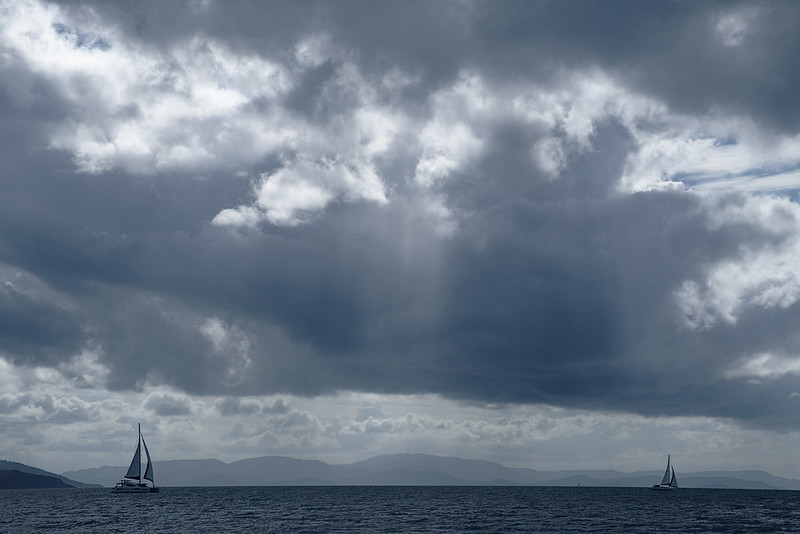
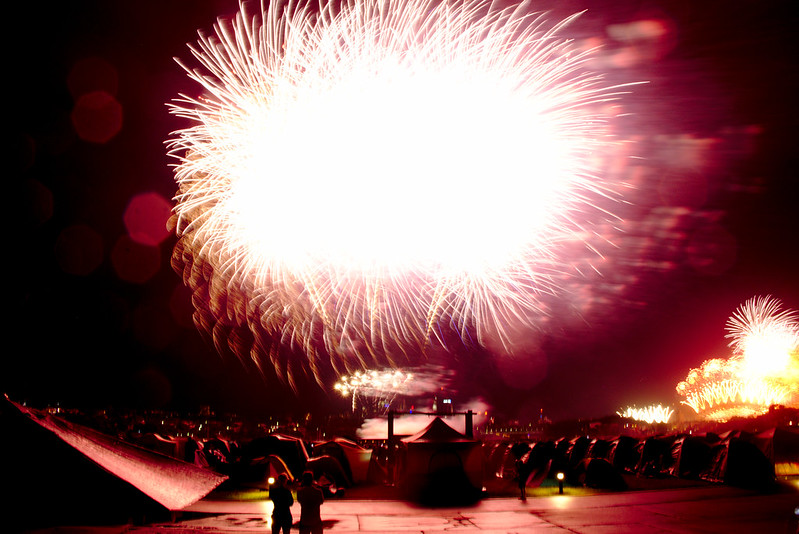
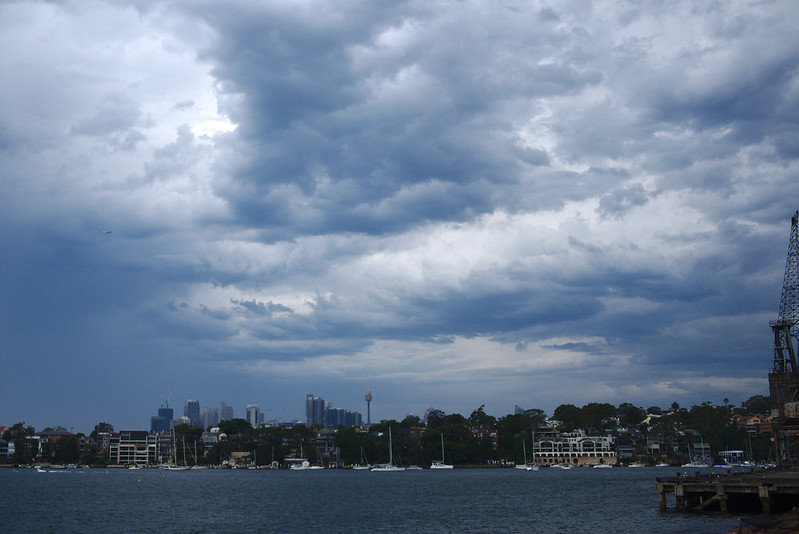
The dramatic storm that ended 2018 by soaking most of the people who’d been waiting 12 hours for a fireworks show was not forecast, but it also wasn’t entirely unheralded. Here’s the sky 2 hours before it struck:

However, it wasn’t until later that this was heralded on the radar:

I went to the north of the island to see if I could see the storm cell; hearing a security guard’s radio piping up about moving all guests into shelter. Promising! I was not disappointed:


I hurried back; as I did the loudspeakers started to call everyone into the old machinerary sheds due to a “dangerous storm”; we were probably some of the few New Year’s Eve revellers around the harbour who could take shelter that evening.
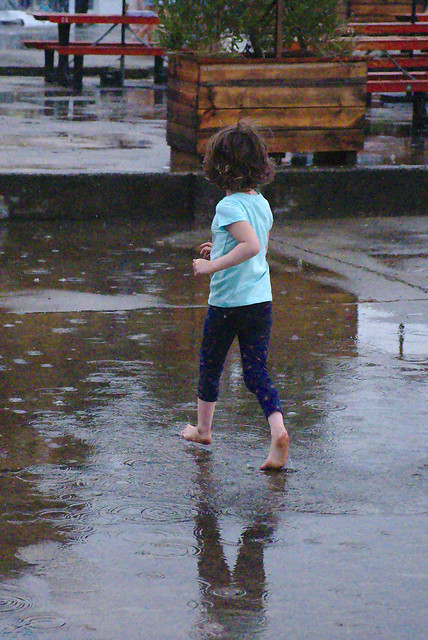
I made it before the rain did. However, I wasn’t quite the last one in:

We were out in time for the party:
Many jobs, especially professional jobs, have some rubric in which you are required to be comfortable with ambiguity, skilled in ambiguity, thrive in ambiguity, maybe enjoy it or love it. It makes sense. There’s a lot of unanswered questions out there, it’s not surprising that some jobs want you to answer some of them.
But there’s risk in holding this up as the standard of succeess, the single skill to grow in. I have been trapped, and seen others trapped, in very unhappy situations, either saying to ourselves “this situation is ambiguous, why aren’t I thriving?” or worse, having others say to them “this situation is ambiguous, why aren’t you thriving?”
Not all ambiguous situations are alike, and your expectation that you can navigate ambiguity, or even your experience of successfully doing it in the past, does not mean that you should either seek out or stay in ambiguous situations.
The key thing about navigating ambiguity: it is a useful skill, it is not the only useful skill. A situation being unusually ambiguous, or being more ambiguous than other places you could be, does not mean that it is the right place for you, a place where you need to force yourself to be in order to be the best you can be, or progress in your career, or make the most difference.
After all, what skills are you giving up or not using while you’re spending all this time navigating ambiguity?
Is there a reason for the ambiguity?
There’s an extreme version of wanting people to thrive in ambiguity that amounts to loving ambiguity itself, and creating it where it isn’t needed. Ambiguity can be necessary and good – the single worst mistake of my career was forcing a decision from a set of alternatives when the bad alternatives were a clue that I needed to spend more time exploring – but it’s stressful. Successfully navigating necessary ambiguity is different from “it’s all ambiguity all the time”.
Is resolving this type of ambiguity a skill you have?
Ambiguity can vary widely. Is this a defensible case or should I plead guilty? Is this skill one I should turn into an income or develop as a hobby or volunteer to teach to others? Is the wind going to move before the fire reaches here? Which of the two warring factions should I have tea with?
Your background, interests, training, support system equip you to navigate some types of ambiguity and not others. I can arrange a workable response team structure to an infrastructure software outage pretty quickly. I can design a passable fundraising strategy for your small not-for-profit and I have a bunch of general skills I can put to use in many situations.
But I am not remotely the right person to turn to in a humanitarian disaster to perform either medical or resourcing triage. I also have no experience navigating the changes in children’s fashion to figure out what your line should be 12 months from now. The mere fact that there’s ambiguity there and I have at times succeeded in navigating ambiguity does not make me an effective person in those situations. If you want to be able to navigate ambiguity better, play to your strengths in choosing what ambiguity that is.
Is resolving this type of ambiguity a skill you want to have?
Maybe you’re in a situation a little closer to your experience than children’s fashion futures are to mine, but still you’re not quite at home in this level of ambiguity. There’s more hurt, more money, more people involved that you’re used to.
Since ambiguity is a useful skill, perhaps this is a situation to stick around in, but you’ll want to have support. Do you have access to training, advice, mentoring? What’s the situation for you if you fail, or do a less than perfect job? Is there a way out if you decide it’s beyond you?
If not, again, you have a decision between whether navigating this type of ambiguity, with this level of difficulty, and this amount of risk, is the skill you want to be developing right now, compared to all the other things you could be doing.
Is this ambiguity one you have the power to resolve?
This is the big one. Regardless of how skilled you are in the domain, or how subtle your ability to draw out the opinions of others, if the structures around you don’t let you be part of resolving the ambiguity you’re going to have a very rough time.
For example, if you are in the midst of a humanitarian disaster, and you don’t have a network of local contacts, transport, communications, and, potentially, defence, there is likely a pretty low limit on what you can achieve even if you have coordinated other disaster responses.
A version software companies often run into is expecting new or junior or solo staff to be able to resolve major problems with the product or its infrastructure without access to hierarchical power (ie an inattentive, disempowered, or non-existent management chain) or a structure of intermediaries to work with. Being able to find and navigate the undocumented and hidden decision-making channels in these situations is a very useful skill but it’s not an easy one. Dragging something great out of this situation may not be a great use of your time and skills.
Navigate right on out of there?
There’s plenty of times that navigating ambiguity isn’t the right match for you, right now. Go ahead and navigate ambiguity by navigating yourself right out the door and into a situation with less ambiguity, different ambiguity, better help with ambiguity, or a focus on a skill that isn’t navigating ambiguity.

Navigating ambiguity is just one skill among many by Mary Gardiner is licensed under a Creative Commons Attribution-ShareAlike 4.0 International License.
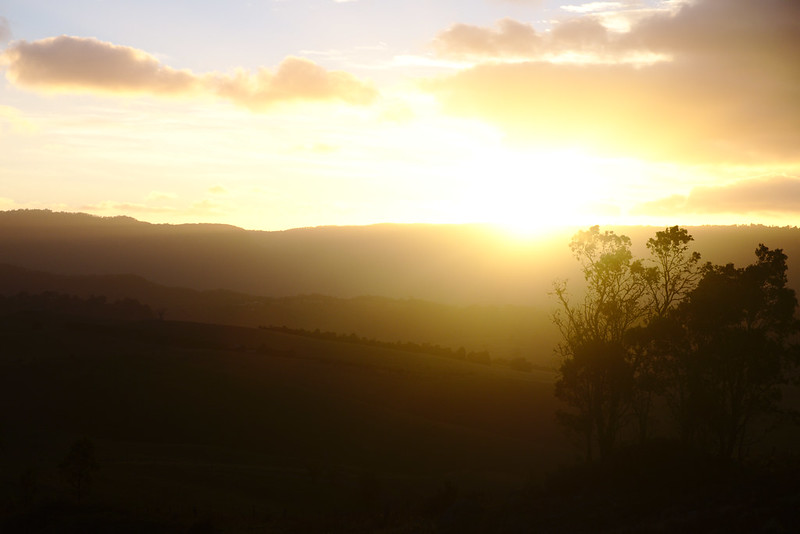
April: the day after my birthday, sitting alone near the top of Mount Kanimbla with a camera on a very cold morning to catch the sunrise. I’d had a badly injured ankle for a week at that time and so getting myself outside was a real independent triumph.
September: the top of Thredbo resort with Andrew and V, looking towards the Basin t-bar in gale force winds. While it was still open, none of us love t-bars or have any experience riding them in high wind. So we skiied/trudged uphill for 500m straight into the wind to the top of the run we wanted, our faces being scoured with freezing rain, and then we skiied down until we were below the cloud layer and high-fived.
October: Saturday in New York, the end of the first week of a three week work trip, before flying to California. I’d planned to visit either the Holocaust Museum or the 9/11 Museum, but a nor’easter blew in. I went down to the World Trade Center to find people queuing outside for the museum in the pouring rain in flimsy white plastic raincoats, and turned right around and went back uptown. I was tired and I needed snacks and mains power, so I went into work, went up to the top of the building, and sat on a couch eating yoghurt and hummus with my fingers because I was too tired to figure out where the spoons were.

January: V’s birthday lunch in Kauaʻi, for which he of course chose McDonalds. It seemed exactly the same, but somehow also gloomier.
August: at the local Indian restaurant, discovering paratha after twenty years of Sydney naan.
December: lunch at Quay, squeezing in before a gift voucher from Christmas 2017 expired. We had the ten course meal, it was all lovely, but what instantly comes to mind when I think back to it is the incredibly buttery crumpets about half way down the menu, delivered in a wooden “toaster”.
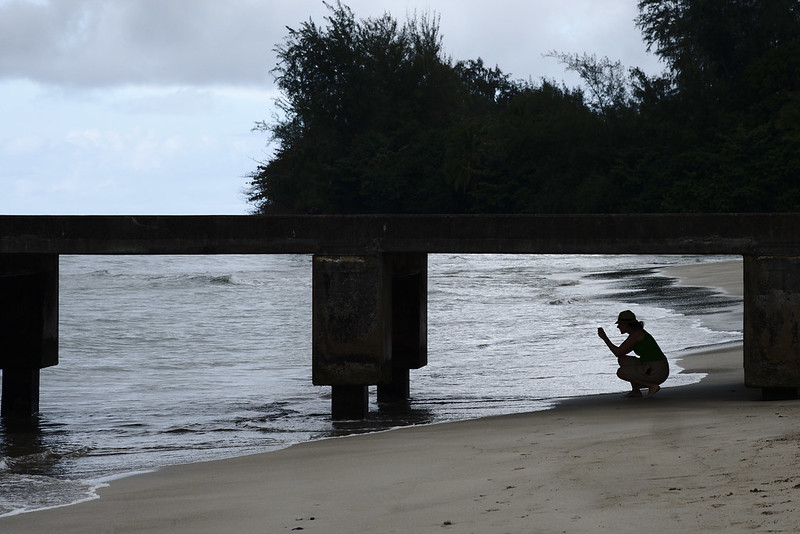
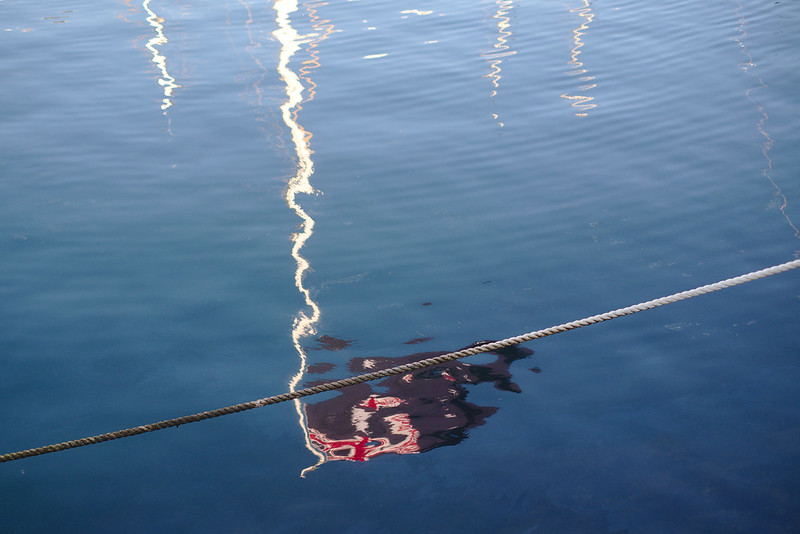
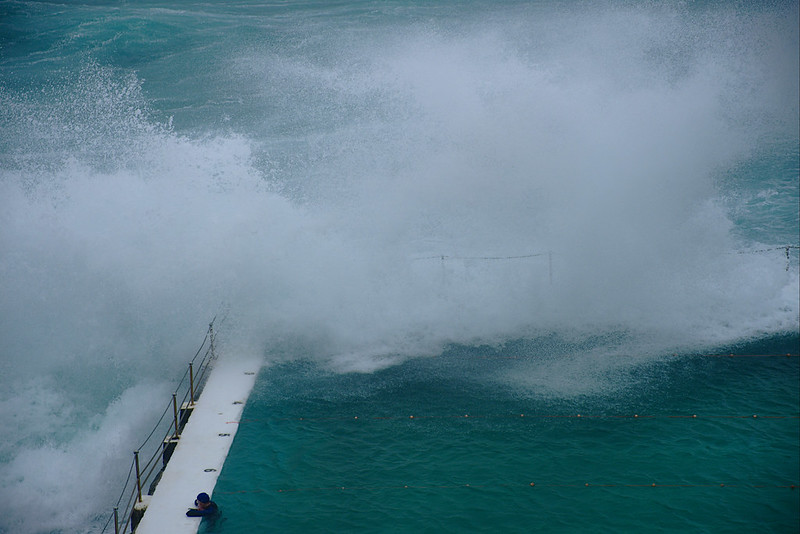
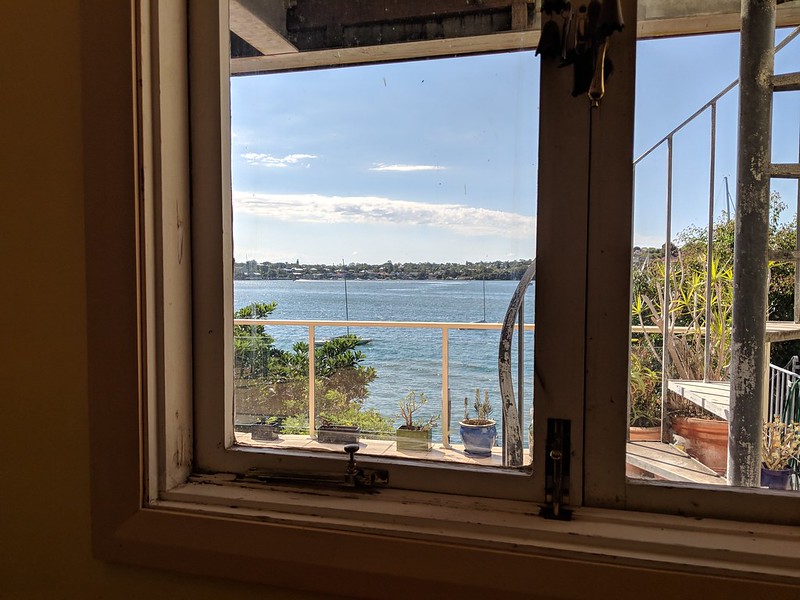
February: three days of alone time in Birchgrove. I needed to have a radioiodine thyroid scan and moved out of home for several days as a precaution against exposing the children to radiation. While the doctors thought this was a little excessive for the dose, it meant that I hunkered down in a granny flat with a harbour view, caught ferries, took myself out to solo dinners, and watched harbour waves break in the dark on the shores of Birchgrove Park.
December: summer foods, defined as stone fruits and dark and stormies. We’ve been drinking dark and stormies and catching up on the final two seasons of Rake.
Throughout the year: my daughter’s immense wavy head of hair after years of her pulling it out and being mostly bald. My current line about this is that we finally understand why she was pulling it out: it was a last ditch defence against the complete takeover. She lost; now she is a being more hair than child.

All the news about cryptocurrency, particularly scams and regulatory crackdown. This is my popcorn news, having read David Gerard’s Attack of the 50 Foot Blockchain: Bitcoin, Blockchain, Ethereum & Smart Contracts around the time of the Bitcoin peak.
Global hunger has been rising for three years. There’s been a narrative for a while now among the philanthropy wonks I follow that, somewhat silently and without fanfare, disease, poverty, and hunger were gradually reducing and we weren’t giving ourselves enough credit for creating a better world. But not so in the last few years. Which is the interregnum, the few decades of progress or the last couple of years of worsening?
Which brings me to the IPCC 1.5°C report (“we have 12 years”), the November student strikes in Australia, and other climate change news.
April: crutching my way out of Balmain Hospital with a pain-free foot. The injury only hurt when I put weight on it, so the absence of pain was a common and lovely sensation. Lying down! On crutches! Complete absence of pain! When the doctor asked if I needed pain relief I gave her an uncomprehending look.
August: freezing rain scouring my face at Thredbo as I went up the chairlift in a gale just shy of closing the lift. “Welcome to outdoor sports!” chortled the instructor. I liked it in an odd way, but V found it so frightening he insisted on being taken right back down the mountain. (At the end of the lesson I had to wring my gloves dry of water; it’s a credit to GoreTex my hands were still warm.)
November: pumpkin spice latte at Starbucks in San Francisco, in honour of Glen Weldon’s take on pumpkin spice (offset 06:45). It’s mostly cinnamon.
Cancer in the family, again.
Much smaller but you can have more details: I had a couple of nasty and slow healing injuries this year. First I twisted my right ankle in April playing with A at a drop off beside one of V’s soccer fields and hurt it badly enough that it didn’t take weight for days and I couldn’t walk long distances without pain for about half the year. Second, I tore my left supraspinatus skiing and have only regained most of the flexibility in the shoulder in the last few weeks and am yet to get much of the strength back. This put paid to one of the previous set of plans, learning to sail, and made sleeping, housework, and cycling difficult all year.
The California Ideology, to which I am not native but from which I profit, coming up worse and worse over time. See this interview with Fred Turner.
Throwing my children birthday parties this year. This was a millstone last year, and we left it until the following birthdays were nearer than the ones being celebrated and then abandoned all hope. This year two parties are planning, and from now on, since their birthdays are only 12 days apart, they get a party every second year alternating.
We’re taking the first two weeks of the year off work. Our only holiday plan — really, one should be enough — is to spend a week of that on the south coast, which I haven’t visited since diving with seals at Montague Island in 2007. Unlikely to dive this time but perhaps boating on Jervis Bay.
Because of the injuries, we didn’t get to learning to sail — at one point I could neither have stood comfortably on my right foot nor pulled with any strength in my left arm — so that returns to the plans again.
To quote my entry a year ago: “Some good news about climate change, whether statistics or serious political will.”
Some new horizon of family life, as my youngest child turns five and we’re increasingly free to explore things for older children and adults. So far we’ve done ropes courses and water parks, I’m sure there’s more to come.
Involvement in some kind of activism. I gave what I had and to spare to tech feminism already, perhaps labour activism or something like 350.org is next.