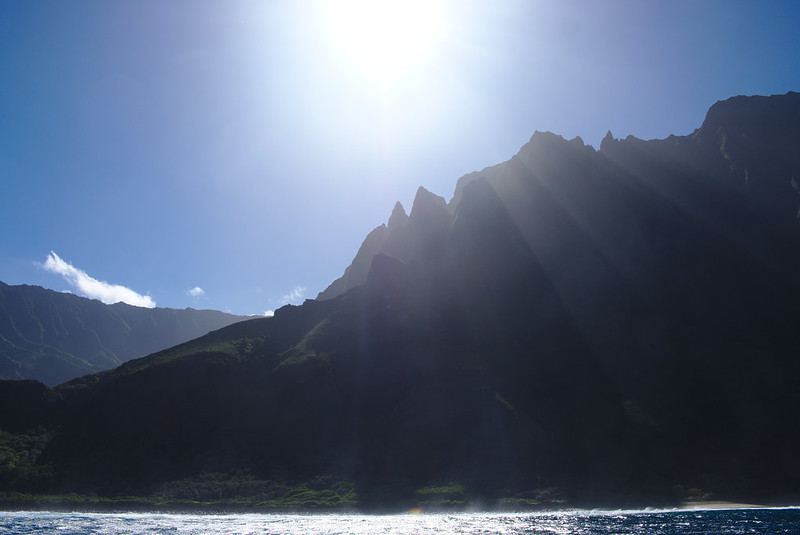
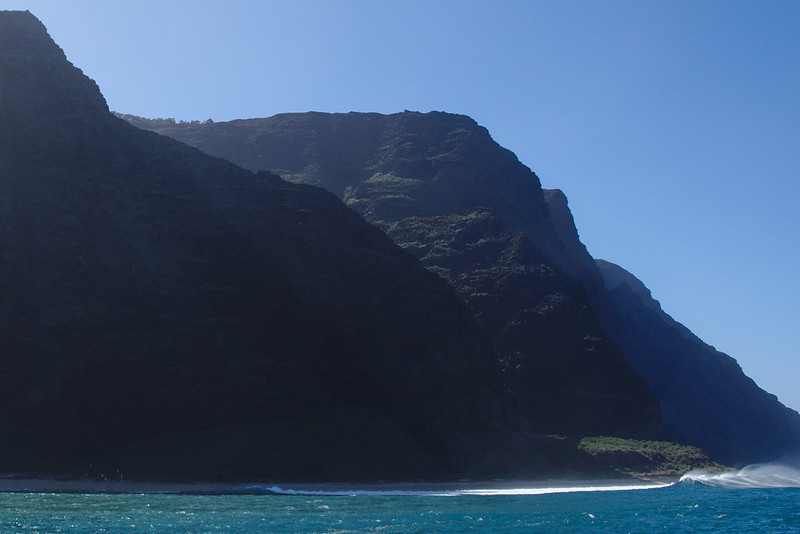
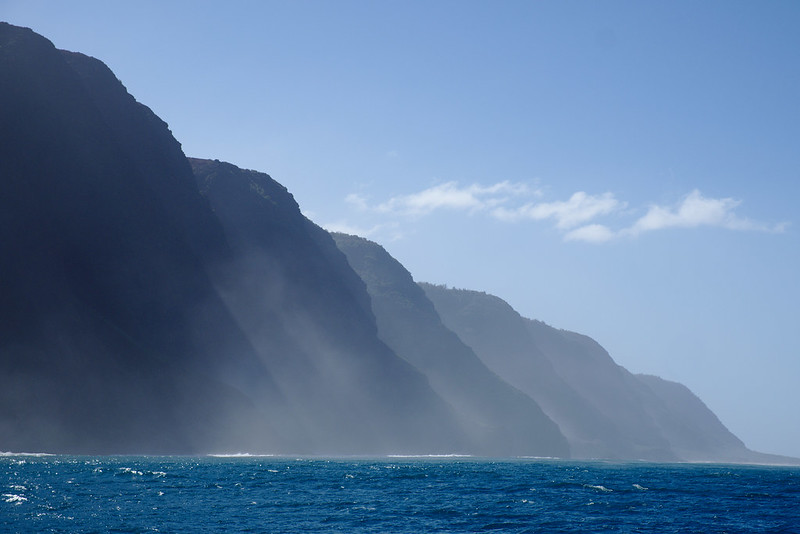
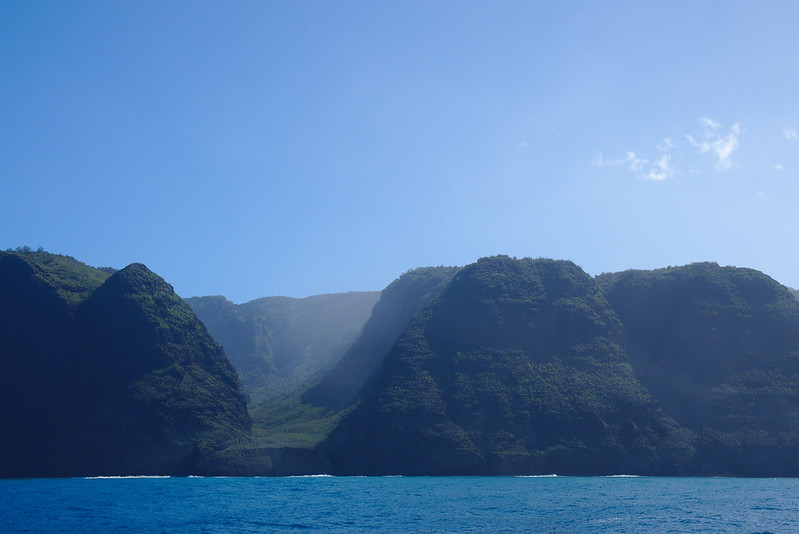
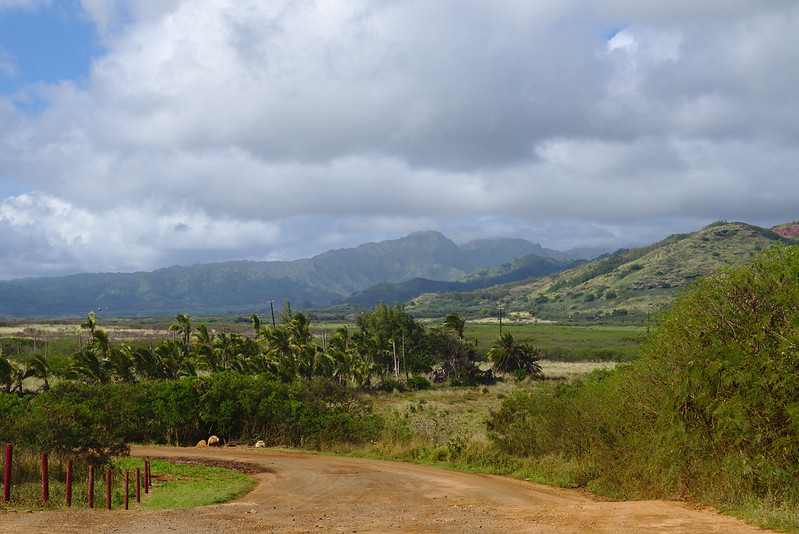
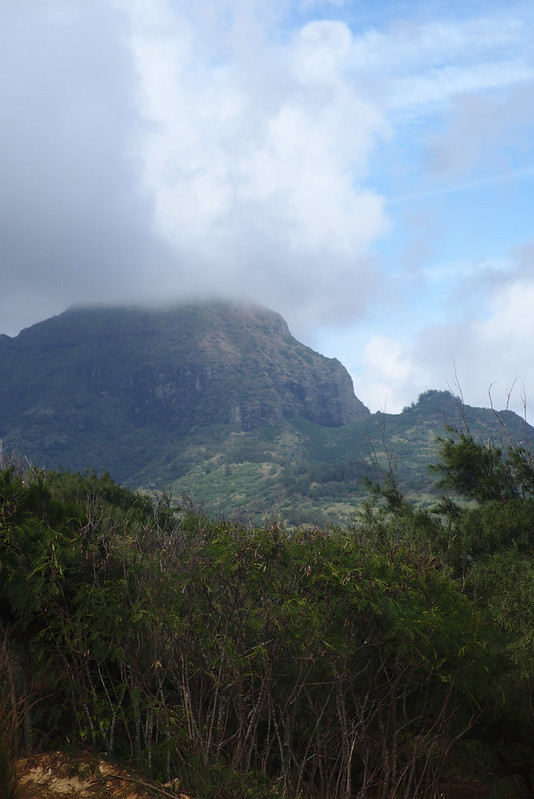
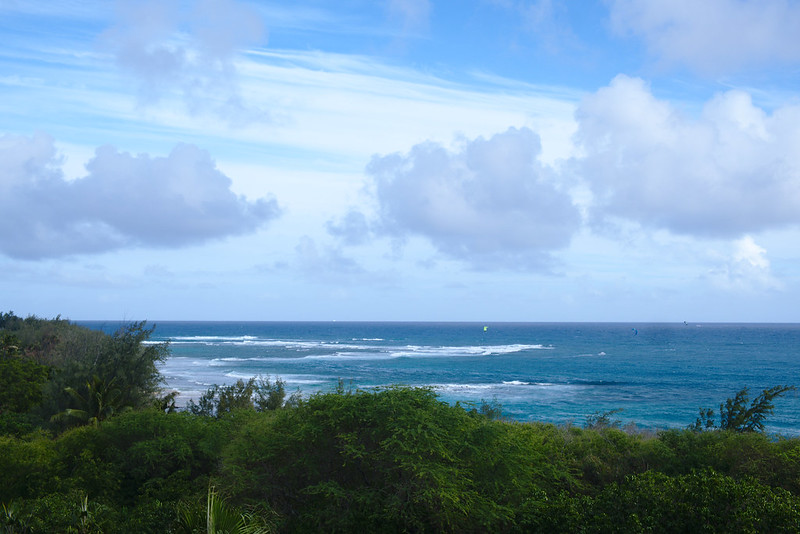
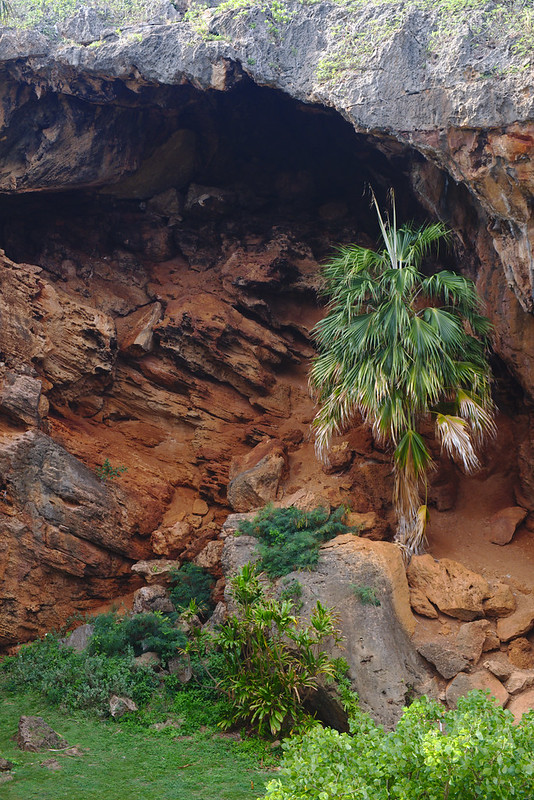
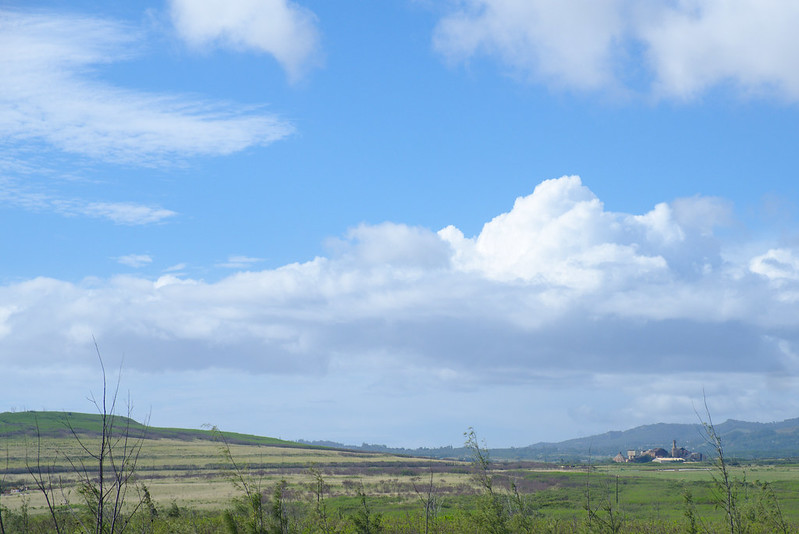
The road to Makauwahi Cave

This entry is part 1 of 5 in the series Kauaʻi

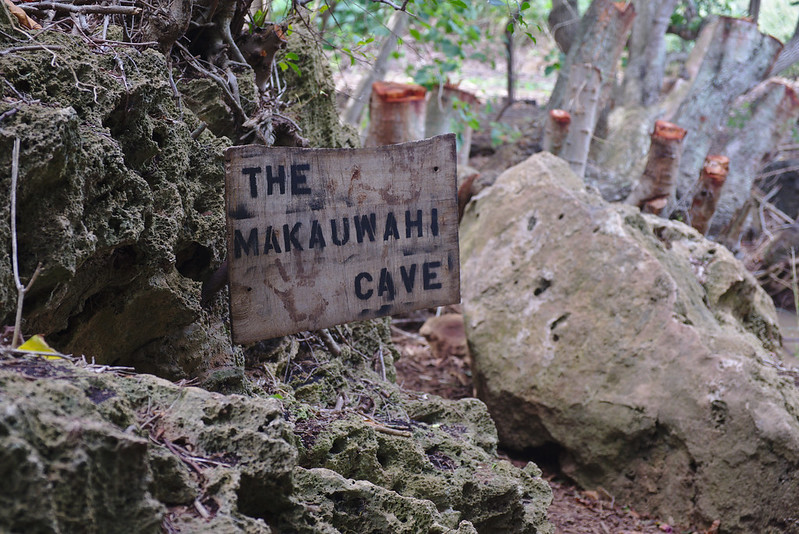
Makauwahi Cave sign

It was slightly too hot for a comfortable walk, everyone was a little tired, the kids were grumpy. They wanted to go down to the beach, we didn’t want to slog back up the hill covered in red dust. And when we got down to the promised cave, it had shut for the day and we all had to turn tail and go home.

You’d think this would be difficult to forgive, but this made it possible:

Road from Makauwahi Cave

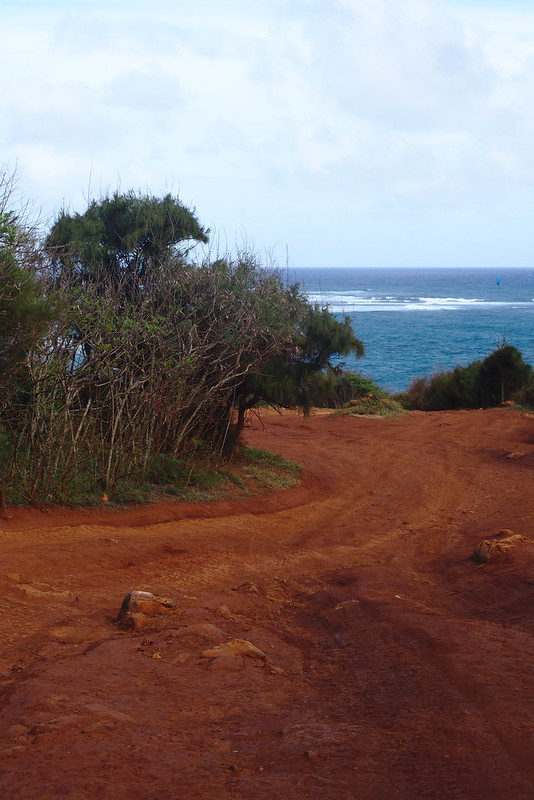
Road to the beach near Makauwahi Cave

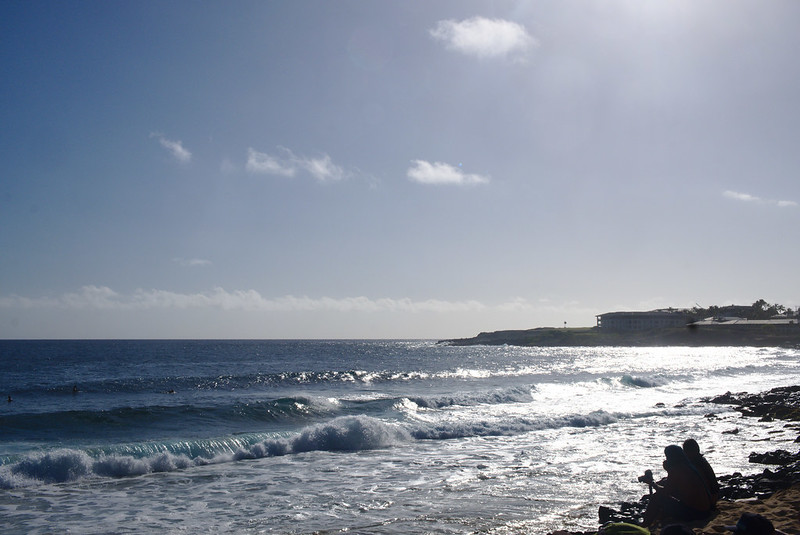
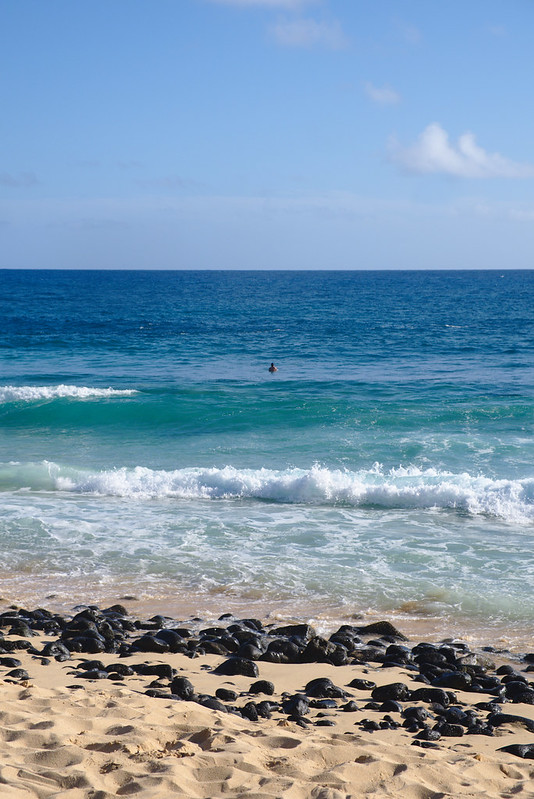
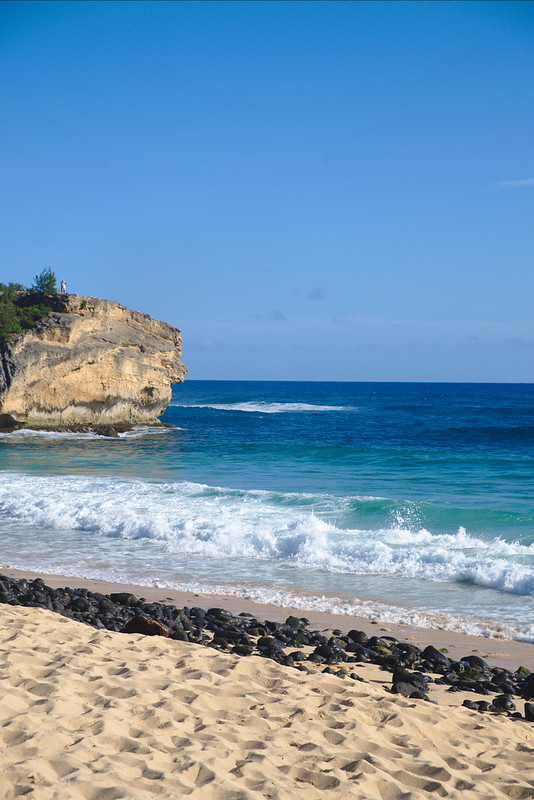
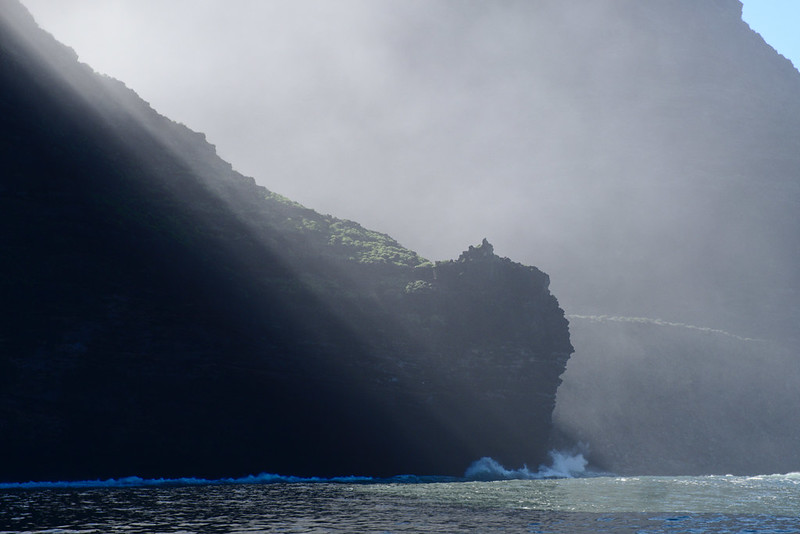
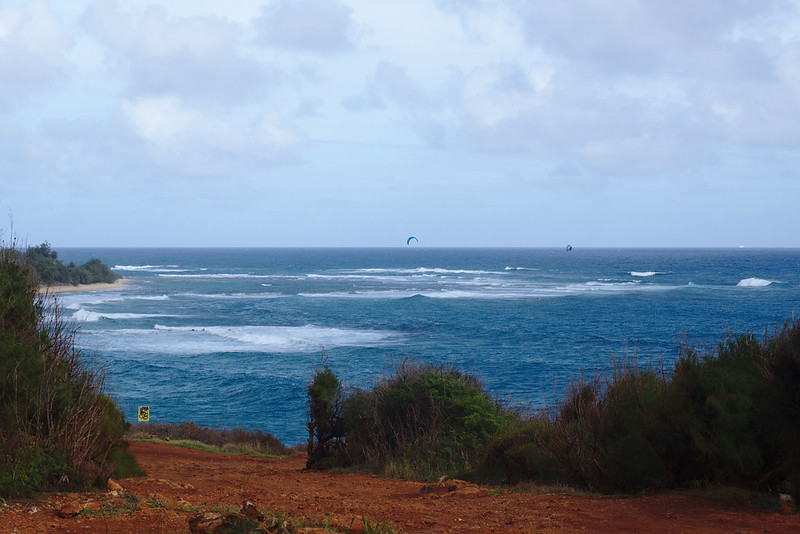
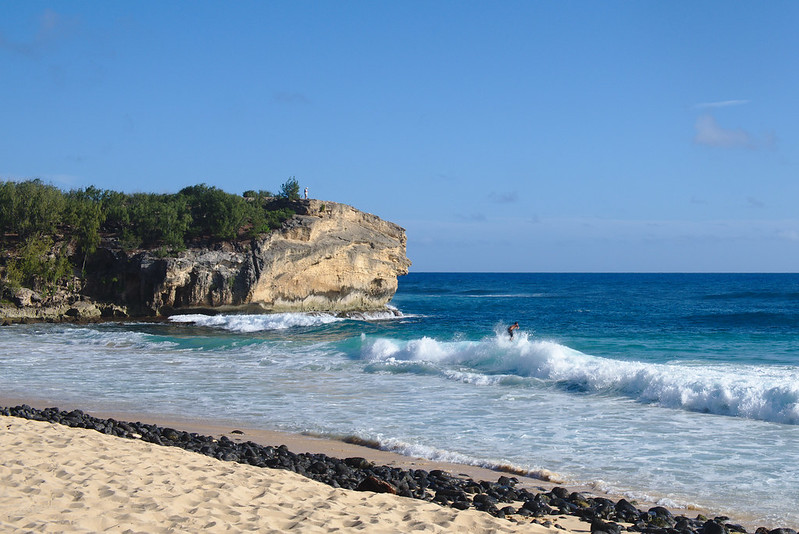
Beach near Makauwahi Cave

View from Makauwahi Cave walk

View from Makauwahi Cave walk

Makauwahi Cave from above

View from Makauwahi Cave walk

Photos of Kauaʻi, January 2018 (in progress).

October 2015 photos.

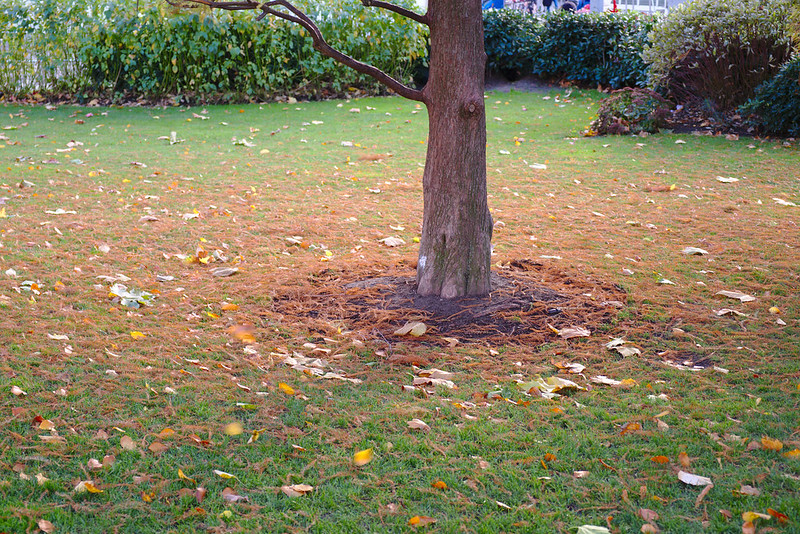
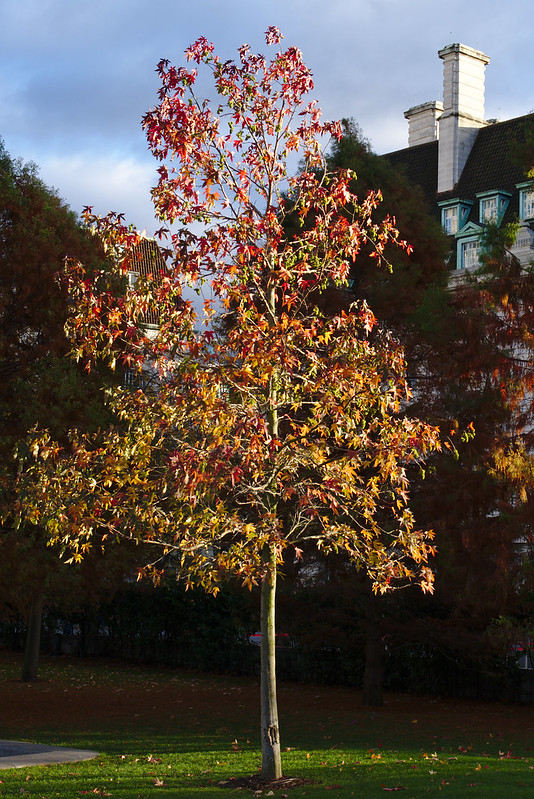
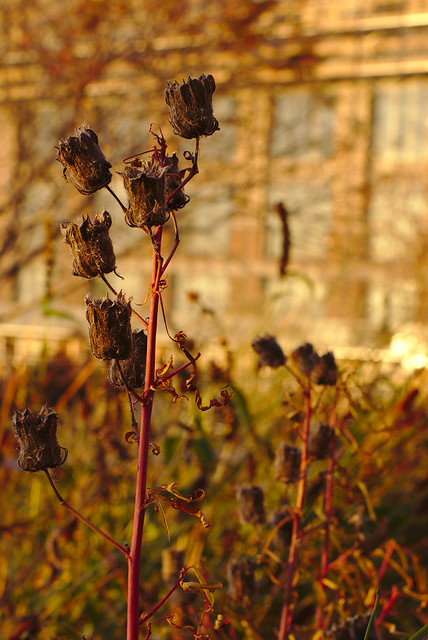
Autumn photography 2017

This entry is part 3 of 21 in the series Autumn

I switched camera systems in May this year to a mirrorless system, specifically a Fuji XT-20 body with various lenses. Its first big expedition was to New York but soon enough it was time for the much closer to home annual trek around the autumn foliage. The camera body failed around mid-day (had to go in for repairs as it was unable to detect lenses connected to it), very poor timing since Andrew’s niece was born that day, but we had some adventures first.

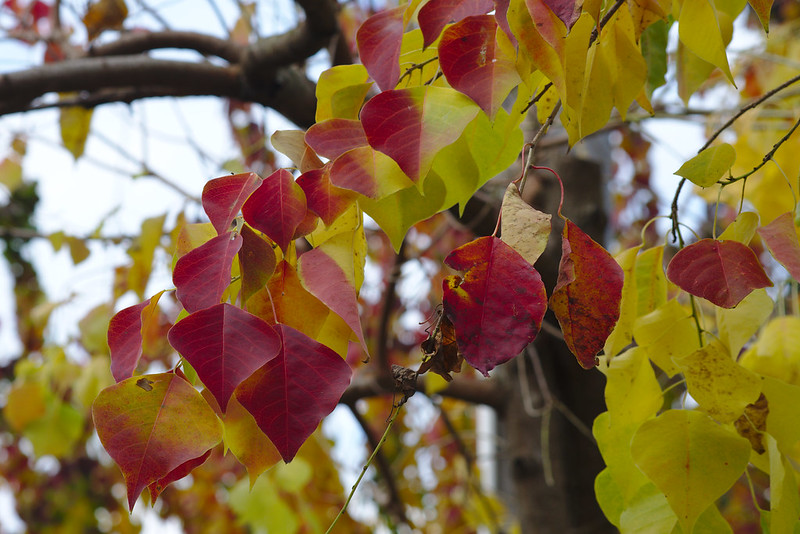
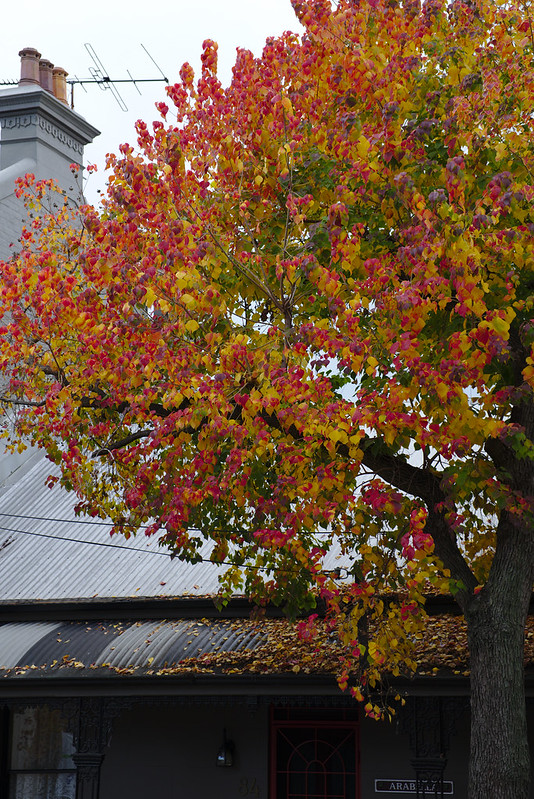
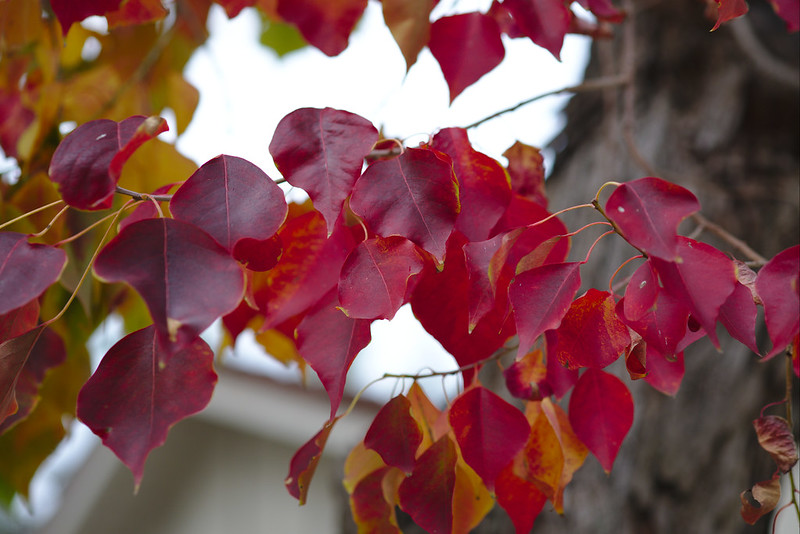
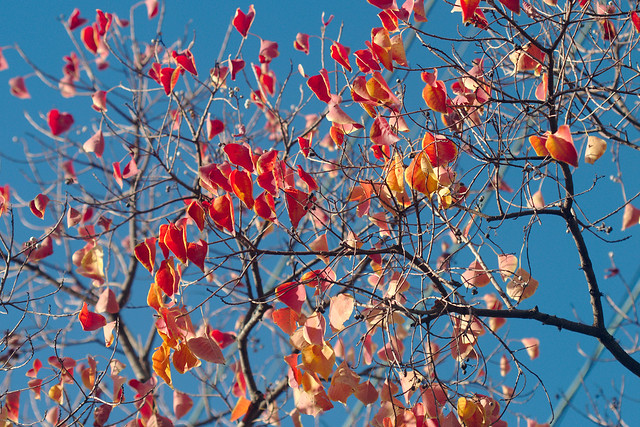
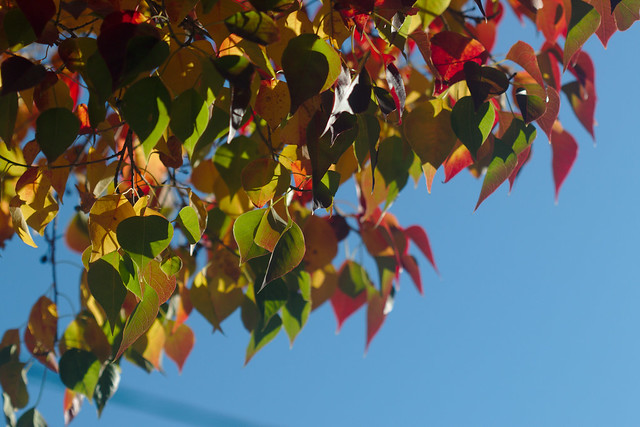
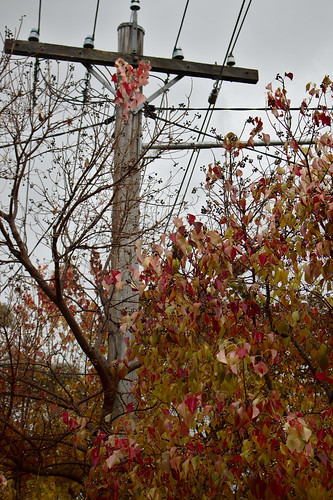
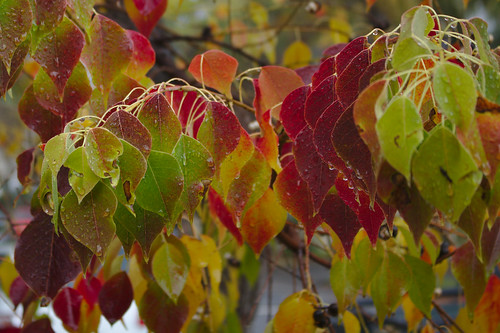
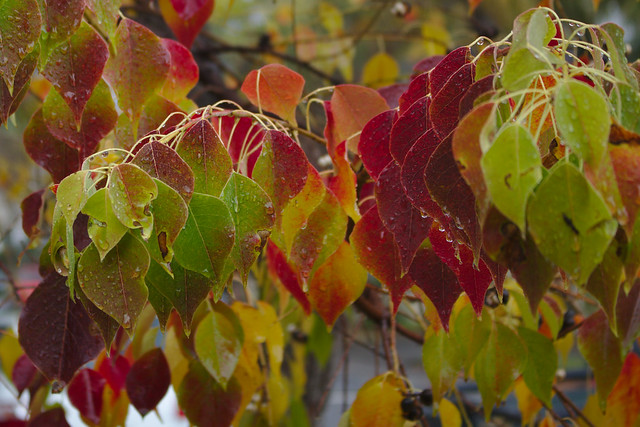
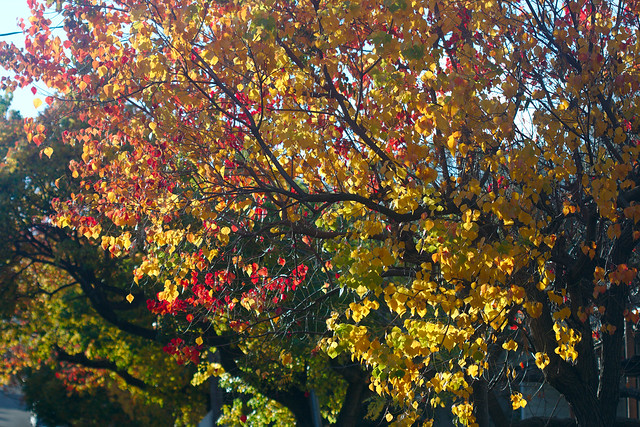
I remain fascinated by the ludicrous, alien, ornamental pear that is planted in such profusion around here:

Ruin
Leaves against tin roof
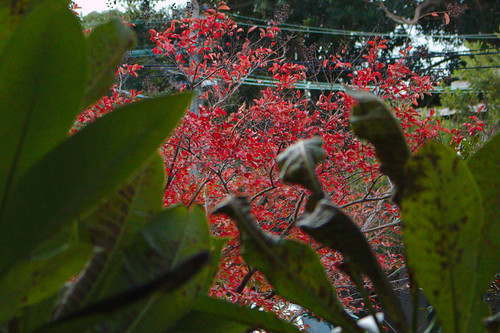
Deep red

But eucalypts can hold their own:

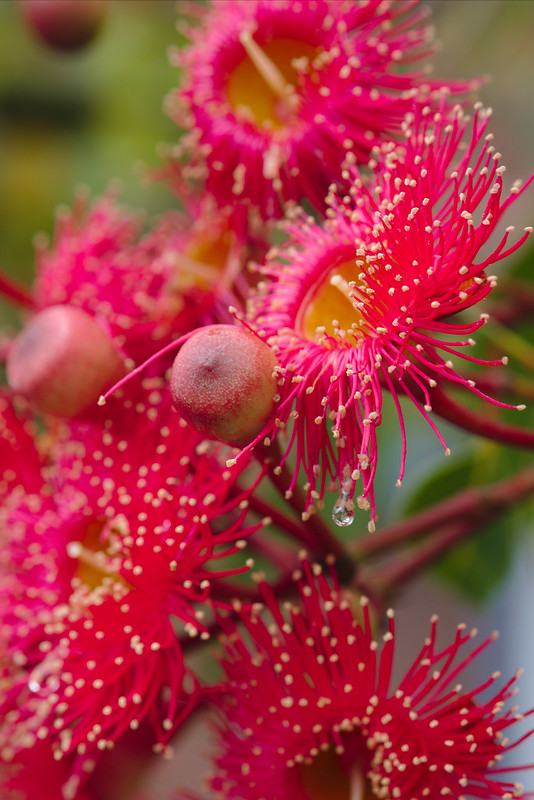
Gum nuts
Gum flowers
This year’s full autumn album.

Flickr features I’ve known and loved

As the planning for the sale of Yahoo!/Altaba to Verizon continues, I’m not the only person worried about the fate of Flickr, which has been owned by Yahoo since 2005:

I’ve got a tediously backed-up local copy of my photos and won’t have to kiss them goodbye, but as a happy Pro user of Flickr I’m really worried about its future and beginning an active search for replacements. I’m going to start evaluating possible replacements on the basis of these specific features, roughly in order of importance:

My favourite Flickr features

Embedding my foremost use of Flickr is as a photo host for my parenting blog and, increasingly, to show off my best photos. The ability to embed photographs in third-party websites is essential to me.

Locking at the photo level and guest access. It’s not easy to find non-recent photographs of my children on my Flickr account. That’s because I have a script that marks photos as private once they’re a certain age. Some other types of photos (for example, photos of other children) I often mark as private immediately.

Much of my web life runs this way: just because you can find my recent stuff doesn’t mean you get to casually browse everything I’ve done on the Internet since the beginning of time (circa 1999). I’ve taken full advantage of websites with individual locking every time I’ve used one, including WordPress sites, LiveJournal&Dreamwidth, Pinboard, and, yes, Flickr, and strongly prefer it.

At the same time, the chance of people who care about me obtaining a login to Flickr, or to social-photos-site-of-the-month in order to view pictures of a party we were at is basically nil, so the ability to share links to photos via Flickr’s guest pass system has made it useful to me for semi-private events and photos.

API access. I’m not locking all this stuff on all these sites down by hand! It’s all scripted and done via APIs.

Multiple albums for a single photo I look at my photos through several different types of, uh, “lenses”. There’s events, there’s individuals in the photos (mostly my children), and there’s my show-off albums for my favourite photos or ones most I’m likely to want to share with other people if only they’d ask to see more of my photos. I use albums for all three ways of looking at photos, and thus many of my photos are in both a “my kid at age 3” album and a “visit to the beach in November” album.

I also use tags and I might be able to modify my workflow to use tags to replace some of these features, although the result of a tag search would need to be viewable as a first class album, rarely true in my experience so far.

Creative Commons licencing. I like easily dropping my photos into a big pool of photos that might someday find good uses elsewhere and licence a lot of my non-portraits CC BY for (nearly) maximum re-usability. I fear that even sites that support CC licencing won’t end up being searched by anyone in practice, and if I note a CC licence myself in the description, it’s never going to happen.

Features I’d reluctantly sacrifice

Chromecast support. It’s been really enchanting having our TVs display great photos of our kids throughout their lives, travel we’ve done, and a lot of clouds, all via Chromecast’s support for using Flickr photos for background images, but I’m willing to give it up for my core set of features.

An app. Don’t get me wrong, I do like being able to peruse my photos on my phone, but I’d give it up if I had to. Because I do about half my photography with a DSLR, and edit essentially all my photographs, I don’t upload photos via apps in any case.

Less important

The social ecosystem. I started using Flickr regularly after a lot of people stopped, and I’m indifferent to the social features, eg favourites, comments, following other folks, putting my photos in group albums. I do use some of these, but I won’t be looking for them in a replacement.

Locking to different sets of people. I do use Flickr’s “friends” and “family” distinction a little, but in giving up social, I’m also happy to give up locking other than “locked” and “not locked”.

And now, I’m afraid, it’s well and truly time to go shopping for a new photo host. My favourite. Only not.
From comments: this is what a computer scientist looks like

This article originally appeared on Geek Feminism.

From comments on Women in science: contrary to popular belief, some of us are actually alive!, Lindsey has started a Flickr group for “This is what a computer scientist looks like”. The group itself has this description:

This group collects photos of computer scientists, with a particular focus on women (may change later to include other underrepresented groups in CS).

If you are a woman in computer science, feel free to contribute a photo of yourself. If you’re contributing a photo of someone else, please make sure it’s a public photo that you have permission to share, preferably one taken at a public event such as a professional conference or workshop.

In the spirit of Photos of Mathematicians, we’re looking for modern, candid photos of currently active, not-necessarily-famous computer scientists. We’re not looking for historical photos.

So far, I am the only computer scientist. Fear me or displace me at the front of the queue!
Harassing photography and recording; ethics and policies

This article originally appeared on Geek Feminism.
We’re starting to collect some examples of photography/recording harassment experiences (still open , and some of the kinds of problems people mention there and elsewhere are:

  • photography/recording conducted in a way that is designed to hide the fact of the photography/recording from the subject both before and after the shot/recording happens
  • photography/recording that is indifferent to or careless of the subject’s feelings about being photographed/recorded
  • photography/recording that is othering: “wow, women! *click click*” or “hey, babe, smile for the camera!” or later posted with othering, sexist or creepy commentary
  • failing or refusing to stop photographing/recording on an explicit request or appearance of discomfort (eg turning away or frowning or covering one’s face, etc)
  • publishing photographs without the subject’s consent, or after the subject’s explicit refusal of consent
  • use of photographs to implicitly or explicitly endorse an event or community, eg, using pics of smiling participants from the previous year in publicity materials, without consent

Now most of these things are legal in my region (see NSW Photographer’s Rights, which as you will guess from the title is not focussed on subject’s concerns, but which is informative) and in many others. I believe the only exception (in NSW) may be the last, because the use of someone’s image to promote a product requires a model release, that is, consent from the subject. Whether/when using someone’s photo on a website is considered promotion I don’t know but that’s a side point.

For that matter, I’m not even arguing that they should be illegal or actionable (in this piece anyway, perhaps some of them are arguable). I’m sympathetic to many of the uses of non-consensual photography, even (art, journalism, historical documentation). I’m arguing more narrowly that in the context of geek events, which are usually private and which can therefore impose additional restrictions on behaviour as a condition of entry, that restrictions on photography could prevent some harassment. (As a short and possibly sloppy definition for people who haven’t seen many harassment discussions, I would define harassment as “unwelcome interpersonal interactions, which either a reasonable person would know are unwelcome, or which were stated to be unwelcome but continued after that.”)

I’m arguing that this collection of behaviours around photographs makes geek events hostile to some participants, especially women. After all, even though it’s (I think) legal to sneak-photograph a woman’s face, write a little essay about how attractive you find her and try and get it on Flickr Explore even as she emails you to say that she’s upset and repeatedly request that you take it down, that doesn’t mean it’s ethical.

Now, obviously it would be nice not to have to spell ethical behaviour out to people, but the need for anti-harassment policies (and, for that matter, law) makes it clear that geek events do need to do so.

There’s quite a range of possible policies that could be adopted around photography:

  • the status quo, obviously, which at many geek events is that any photography/recording that would be legally allowed in public spaces is allowed there;
  • photography/recording should be treated like other potentially harassing interpersonal interactions at an event, that is, when one person in the interaction says “stop” or “leave me alone” (etc), the interaction must end;
  • photography/recording shouldn’t be done in such a way as to hide from the subject that it’s happening, and upon the subject’s request the photo/footage/etc must be deleted;
  • subjects cannot be photographed/recorded without prior explicit consent; and/or
  • the above combined with some kind of explicit opt-in or opt-out marking so that one doesn’t need to necessarily ask every time if one can see the marking (in various conversations on this I have to say my main concern tends to be the need to peer closely at people’s chests to see their “PHOTOS/VIDEOS OK” or “NO PHOTOS/VIDEOS” marking on their badge, however, Skud says it works well at Wiscon).

There might be certain additional freedoms or restrictions regarding crowd photography/recording and/or photography/recording of organisers, scheduled speakers and people actively highlighted in similar formal events.

What do you think? Whether a photographer/videographer/recorder or subject of same, what do you think appropriate ethics are when photographing/recording at private geek events, and what do you think could/should be codified as policy?

Note to commenters: there are a couple of things that tend to come up a lot in these sorts of discussions, which are:

  1. “but this is perfectly legal [in my jurisdiction]”
  2. some geeks, including geek photographers, are shy and asking strangers for permission to photograph them is a confronting interaction, and thus very hard on shy people

I’m not saying that you need to totally avoid discussion of these points in comments here, but you can safely assume that everyone knows these points and has to some degree taken them into account and go from there. (My own perspective on the last one is that it’s odd at best to pay an enormous amount of heed to the social comfort of photographers at the expense of their subjects. You could, of course, consider both together.) Also if talking about legal aspects, do specify which jurisdiction(s) you are talking about: this is an area where laws vary substantially.